In a society where childhood obesity is a serious national issue, it's important to raise awareness and teach kids to eat well and be active. Encourage your middle schooler to think of ways he can live healthier and come up with a plan to put into action. Need to eat less sugar?
- Activity Lesson For Educatorshealthy Active Living Communities
- Activity Lesson For Educatorshealthy Active Living Community
- Activity Lesson For Educatorshealthy Active Living Center
- Active Living - participate regularly in a balanced instructional program that includes a wide variety of physical activities that encourage lifelong participation iv. Develop and combine their movement skills in a variety of physical activities ii.
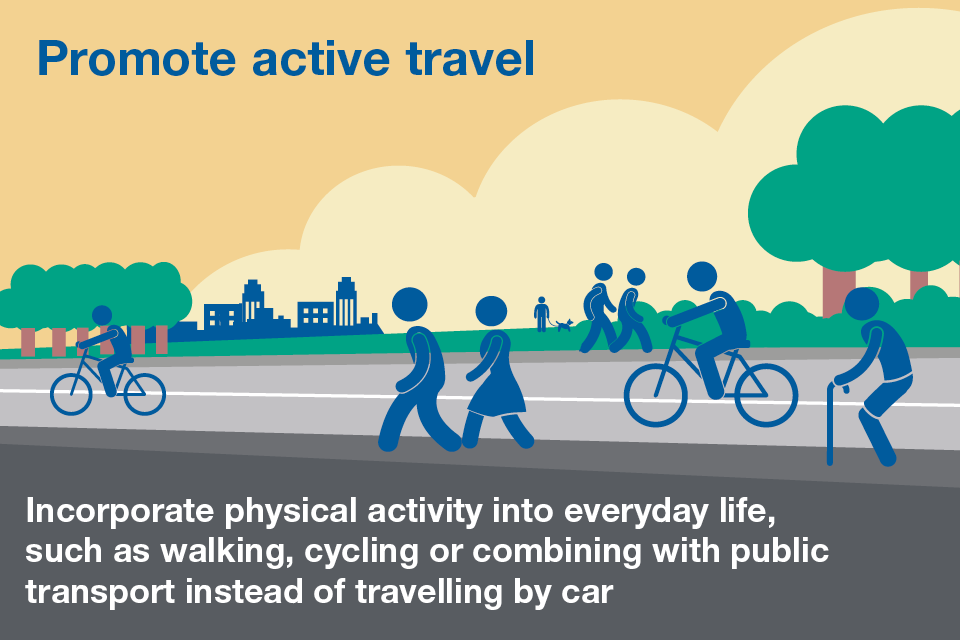
- Active living means making physical activity part of every day life whether you are taking the stairs instead of the elevator, participating in a standing or walking meeting, biking to work, yoga at lunch, gardening, taking the kids or dog to the park, walking to the other building at your facility, or swimming laps in the pool.
- Our health and nutrition resources offer age-appropriate lesson ideas, book suggestions, movement activities, healthy recipes, crafts, and songs to reinforce the health and nutrition lessons being taught. Our lessons are designed to be integrated throughout the school year.
- We are leading the way to healthy, active living Active Living is part of the Faculty of Kinesiology at the University of Calgary. As one of the most diverse recreation providers based on a North American campus, Active Living combines UCalgary campus recreation, health and wellness programs, youth and community programming.
For children and teens to grow up healthy, it’s important they are physically active and eat healthy foods every day.
To help children develop habits that will last a lifetime, an active, healthy lifestyle must start early in life. Physical activity has benefits at every age, and helps kids:
- keep their heart and lungs strong and healthy,
- become more flexible,
- develop strong bones,
- keep a healthy body weight,
- lower the risk of several diseases and health problems,
- improve their mood and self-esteem, and
- do better in school.
“Sedentary behaviour” means time spent doing very little physical activity, such as sitting at a computer, playing video games, or watching television. Children and teens should spend less time on these activities and more time being active.
How can I get my kids to be active?
Your child learns the most about healthy active living from you. Include the whole family in regular physical activity and healthy eating. It’s easier if families do things together as part of the daily routine.
- Choose activities that suit your child’s age and stage of development.
- Give your child lots of time to be active in both structured activities, like organized sports, and unstructured activities, like playing in a playground.
- Keep activities fun.
As teens strive for independence, they may want to do some things on their own. Encourage them to go for a walk or bike ride with friends.
How much time should my children spend being active?
Daily physical activity can include free play, games, sports, transportation (walking, cycling), recreation, and physical education.
Activity Lesson For Educatorshealthy Active Living Communities
- Vigorous-intensity activities make children sweat and feel “out of breath,” so that they can only speak a few words between breaths. These can include activities like running and swimming fast or for a long time.
- Moderate-intensity activities also make children sweat more and breathe a little harder but they can still talk while they move their bodies such as fast walking or a bike ride.
- Activities that strengthen muscles and bones can include jumping rope and running, or sports like tennis and basketball.
| How much each day? | Ideas for what to do | |
|---|---|---|
| Infants (0-12 months) | Should be physically active several times daily. At least 30 minutes of tummy time throughout the day. | Active play starts from birth, especially through floor-based activities including tummy-time, reaching, pushing, pulling and crawling. |
Toddlers Preschoolers | 180 mins of physical activity through the day (planned and organized and unstructured physical activity or free play). They should gradually progress toward at least 60 minutes of energetic play (moderate-vigorous intensity physical activity) by 5 years of age. | Activities should be fun and encourage your toddler to explore and try new things.
|
| Children (5-9 years) | At least 60 mins of moderate-to-vigorous-intensity physical activity every day, including:
| Sports should have short instruction times, flexible rules, offer free time in practices, and focus on fun.
|
| Children (10-12 years) | At least 60 mins of moderate-to-vigorous-intensity physical activity every day, including:
| Children reach puberty at different times. Physical size, strength and maturity vary widely for this age group.
|
| Teens (13-17 years) | At least 60 mins of moderate-to-vigorous-intensity physical activity every day, including:
| Activities should be fun and include friends. Teens are ready to focus on:
|
What kind of physical activity can children with a chronic illness do?
Regular physical activity is important for all children and youth. Unfortunately, sometimes kids with a chronic illness don’t get as much physical activity as they need.
Most children with a chronic illness are able to start with small amounts of moderate-intensity physical activity that will make them sweat more and breathe a little harder every day. Before your child starts any type of physical activity, talk to their doctor about specific health concerns. If necessary, your child can also be referred to a physiotherapist for a cardiorespiratory fitness assessment.
As your child gets more comfortable, they can gradually increase the amount of time participating in physical activities, as well as the frequency and intensity of these activities.
- Children and teens with a chronic illness can usually benefit from flexibility exercises (stretching), strength training (carrying groceries or light weights) and weight-bearing physical activity (like running).
- Most children and teens with a chronic illness can benefit from high-impact physical activities (like jumping), which promote bone health.
Here are some suggestions for children with specific illnesses:
Juvenile idiopathic arthritis (JIA) is a disease that causes swelling and pain in the joints.
- Children and teens with stable JIA can exercise without making their disease worse. They should choose moderate activities that promote flexibility and strength.
- Water exercise puts less stress on the joints and may improve range of motion, strength and fitness.
- Impact exercises (like running) are important for muscle and bone health. Impact exercises are safe when a child’s joint disease is stable. Consult with your doctor before your child or teen participates in any competitive contact sports.
Hemophilia is a genetic disorder where the blood does not clot properly.
- Children with hemophilia need to see a doctor before participating in contact or collision sports like most martial arts, hockey or football.
- Exercise makes muscles stronger and helps protect the joints. Strong muscles may decrease bleeding episodes.
- Cycling, running and swimming are good activities for children and teens with hemophilia.
- Give written instructions to your child’s coach, teacher or caregiver on how to recognize, prevent and treat bleeding.
Asthma is an illness that causes problems with breathing.
- Children with asthma can take part in any kind of physical activity, as long as their symptoms are under control.
- Physical activity can help children with asthma develop stronger lungs.
- Activities like swimming are less likely to cause problems with asthma than activities that involve a lot of running.
- Keep a record of symptoms, triggers and treatments to help you and your child’s doctor decide on the best kind of physical activity.
- Tell teachers, coaches and caregivers about your child’s asthma and how to recognize, prevent and treat breathing difficulties.
Cystic fibrosis (CF) is a genetic disease that causes the body to make thick, sticky mucus that affects the lungs and digestive system, making it more difficult to breathe and to break down foods.
- Children with CF can participate in most kinds of physical activity as long as their symptoms are under control. Talk to your child’s doctor before starting any kind of exercise.
- Exercises that increase heart rate and help the lungs get stronger, such as hiking, swimming or running, are the best for children with CF.
- Children and youth with CF should not participate in scuba diving
How can families support healthy active living?
- Set limits on how much time your children and teens spend in front of a screen (that includes television, computers, tablets, video games, and smart phones). For children aged 2 to 5 years, limit total daily screen time to under 1 hour. Screen time is not recommended for children under 2 years.
- Playing organized sports (such as being on a soccer or hockey team) isn’t enough to keep children and youth healthy. Encourage your child or teen to be active every day, by walking or cycling to a friend’s house, skipping rope, or playing in a neighbourhood park or playground.
- If you drive your children to school, try walking instead, or organize a walking club with neighbours.
- Encourage your children to take the stairs instead of the escalator or elevator.
- Get your child involved in activities around the house: carrying the groceries, raking leaves, or shoveling snow.
- Be sure activities are safe. Children and youth should wear protective equipment for activities like cycling, skating, skateboarding, soccer, and other physical activities.
- Remember to be a good role model!
More information from the CPS
Additional resources
Reviewed by the following CPS committees
- Healthy Active Living and Sports Medicine Committee
- Public Education Advisory Committee
Healthy Active Living
Growing Healthy Flipchart
Healthy habits start early in life. Encouraging and supporting very young children to enjoy active play and choose healthy foods can set a lifelong pattern of healthy active living. There are lots of ways to grow healthy but you don't have to do them all at once. The 5-2-1-0 message provides suggestions for building healthy, active lives for everyone. Staff can share this information with parents as a reminder to make healthy choices every day.
These supplemental pages look at serving sizes for the different age groups and how they are different from adult portions. There are talking points for home visitors to use with families when discussing how to develop healthy meal routines.
Growing Healthy Family Goals Worksheet
All parents know that they should teach their children to eat healthy and encourage them to exercise. However, that can be hard to do, especially when it feels like everything about your current lifestyle needs to change. Head Start and Early Head Start staff may use this worksheet with families to help them start behaviors that will improve the health and wellness of everyone at home. The 5-2-1-0 message provides suggestions for building healthy, active lives for everyone in the family.
Growing Healthy Family Postcard
The 5-2-1-0 message provides suggestions for building healthy, active lives for everyone in the family. Staff can share this postcard with parents to put on the refrigerator as a reminder to make healthy choices every day.
Food Faces and Salsa Gardens: Fostering Healthy Habits with Young Children
Ever wonder what staff can do to promote children’s health? Learn why and how to promote healthy habits for children’s nutrition, physical activity, and safety. Also, discover ways to help families continue healthy habits at home.
Activity Lesson For Educatorshealthy Active Living Community

Active Play: Tips for Families
Head Start health managers and family service staff can use this fact sheet to share information with families on the NCH priority, active play. It includes tips families can use to help young children develop positive active play behaviors.
Healthy Active Living: Tips for Health Managers
This fact sheet helps Head Start health managers provide important information to program staff on the NCH identified health priority, healthy active living. It includes concrete information on the importance of physical activity, a healthy diet, and quality sleep to the overall growth, development, and learning of young children.
Activity Lesson For Educatorshealthy Active Living Center
Health Services Newsletter: Healthy Active Living (July 2014)
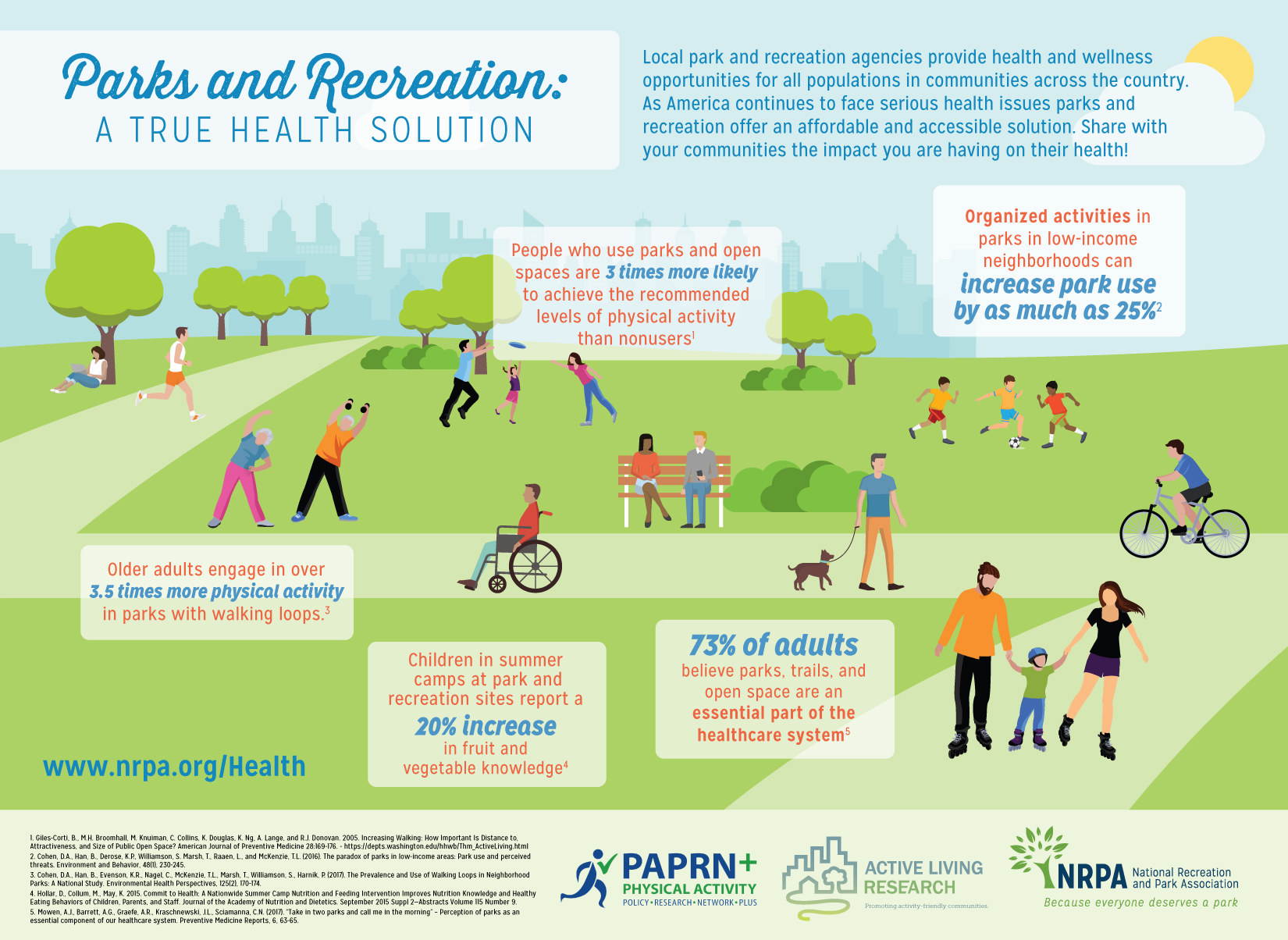
Health managers are in a position to support and enhance the healthy, active living initiatives Head Start programs provide to children and their families. This edition of the newsletter offers strategies to engage staff and parents.
Topic:Nutrition
Keywords:Physical activity
Resource Type:Article
National Centers:Health, Behavioral Health, and Safety
Last Updated: November 4, 2020